
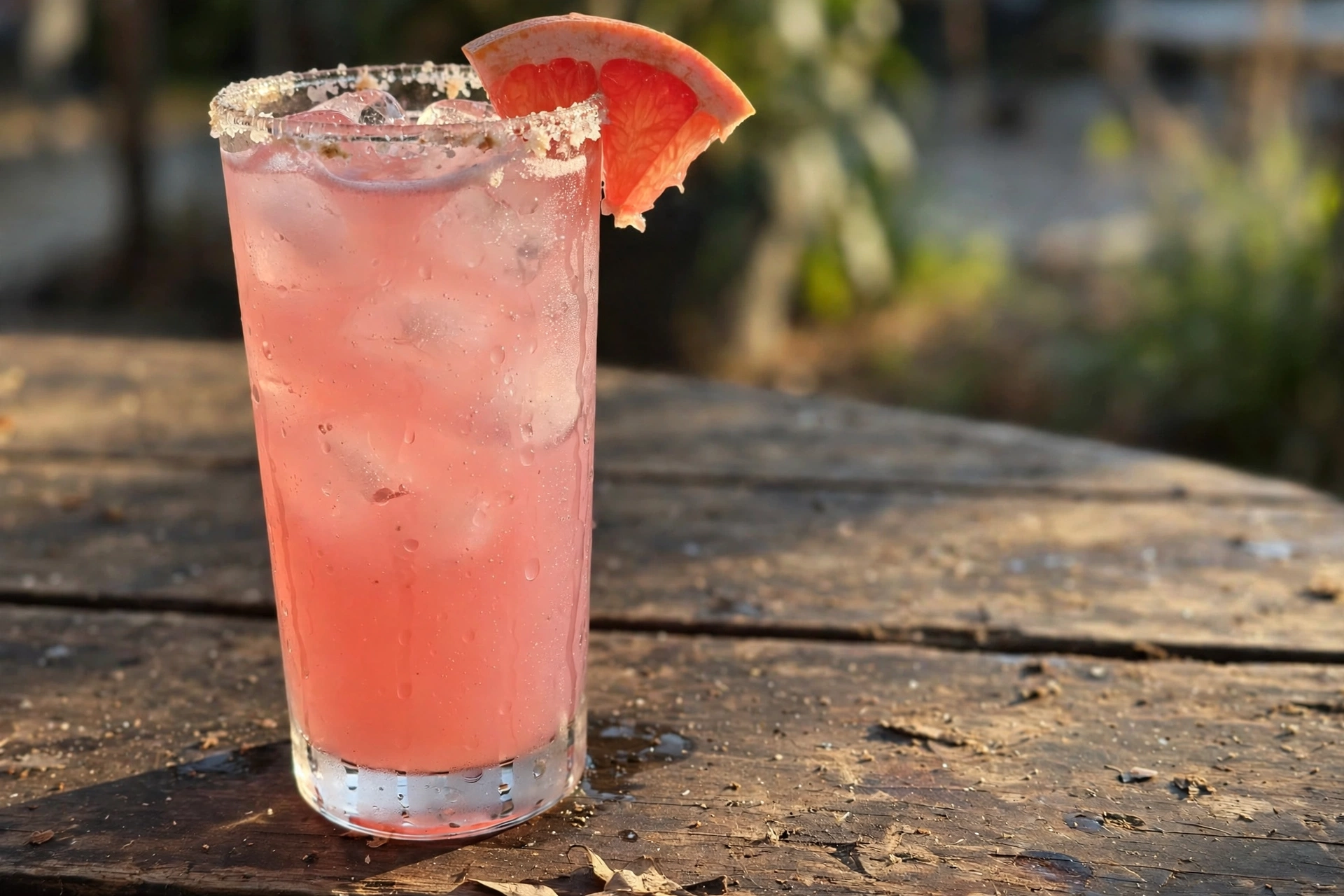
In Mexico, the margarita plays second fiddle. Ask for the country’s actual favorite tequila cocktail south of the border and you’ll get a knowing smile and one word: paloma. Which means “dove” in Spanish a gentle name for a drink with real personality. While tourists line up for frozen margaritas, locals reach for this tall, blushing, grapefruit-bright highball, and once you taste a proper one, you’ll understand why. This classic paloma recipe shows you how to make it right.
Here’s the thing most recipes get wrong: they treat the paloma as a grapefruit margarita. It’s not. A great paloma is lighter, more refreshing, built in the glass rather than shaken, and crowned with sparkling water. It’s a five-minute drink that tastes like golden hour feels — bright, easy, and gone too soon.
What separates a good paloma from a forgettable one comes down to a handful of decisions: fresh juice versus soda, the right tequila, how you salt the rim, and how you handle the bubbles. This guide covers all of it the classic recipe step by step, the cocktail sc
Also Read : Light Jello Dessert Recipe (Low-Calorie Berry Treat)
ience behind why it works, how to choose a tequila you’ll actually enjoy, ten variations worth trying, a complete party-batching blueprint, and a troubleshooting guide for the days something tastes off. By the end, you’ll make a better paloma than most bars.
Table of Contents
Why You’ll Love This Paloma Recipe
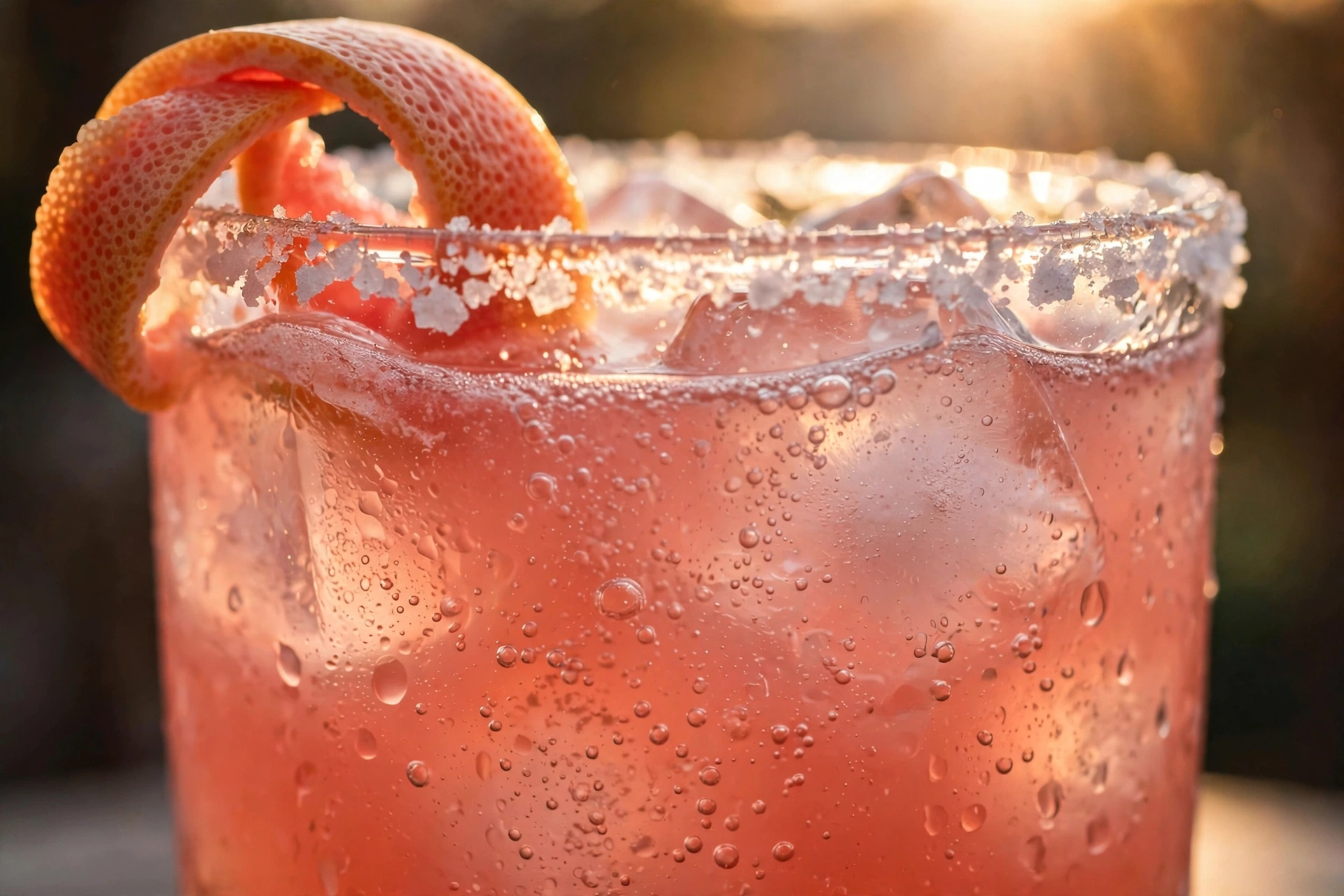
First, it’s more refreshing than a margarita — and that’s saying something. The combination of fresh grapefruit juice and sparkling water makes it lighter and more quaffable, the kind of drink that doesn’t weigh you down on a hot day. The salt rim adds that savory edge that keeps you coming back for another sip. Where a margarita can feel rich after one round, a paloma invites a second.
Second, it’s dead simple. No shaker, no special technique, no obscure liqueurs. You build it directly in the glass: salt the rim, add ice, pour, stir, top with bubbles. Five minutes, start to finish. It’s the rare cocktail that tastes impressive but requires zero bartending skill — genuinely beginner-proof.
Third, fresh juice changes everything. Most palomas in the wild are made with grapefruit soda. Good ones — the kind worth writing about — use fresh-squeezed grapefruit juice. The difference is night and day: brighter, more complex, with a pleasant bitterness that soda can’t replicate. One grapefruit gives you juice for two drinks, so there’s no excuse.
Fourth, it’s endlessly adaptable. Prefer it sweeter? Add more agave. Want it lighter? Skip the sweetener entirely. Making a batch for a crowd? There’s a pitcher version below. It also happens to be naturally gluten-free when made with 100% agave tequila, which makes it an easy crowd-pleaser for mixed groups.
Finally, it’s an economical cocktail to make well. A solid bottle of blanco tequila, a bag of grapefruits, limes, and sparkling water will carry you through dozens of drinks for a fraction of what you’d pay at a bar. Once the technique is in your hands, the paloma becomes your house drink — the one you make without thinking when friends show up unannounced.
Ingredients for a Classic Paloma
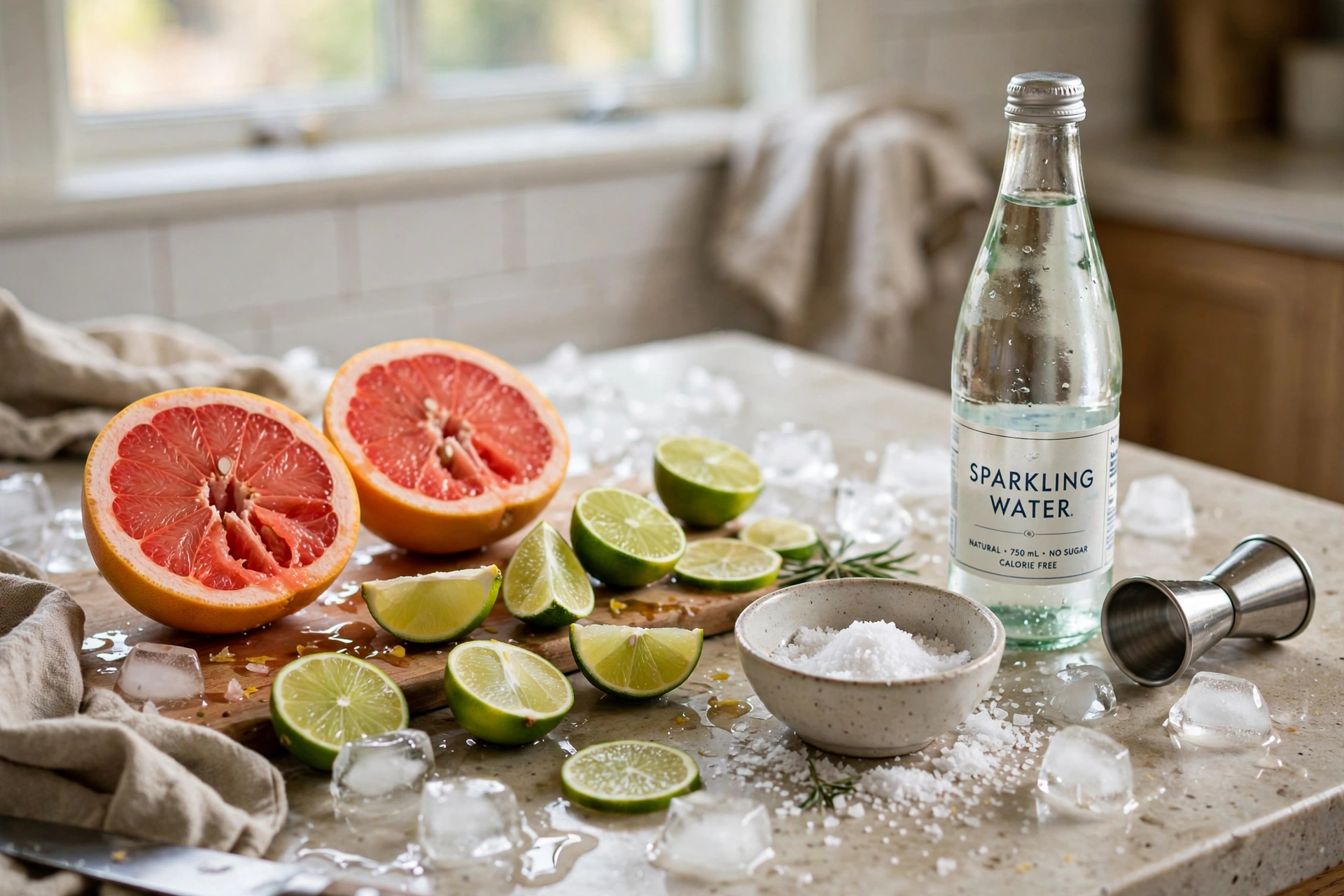
Blanco tequila (2 oz per drink) — Use a 100% agave blanco (silver) tequila — something you’d happily sip. The paloma is a simple drink, so the tequila’s character shows through. You don’t need top-shelf, but avoid anything with “mixto” on the label. Reposado works too and adds lovely vanilla-oak notes, but blanco is traditional and brighter. There’s a full tequila-buying guide further down if you want help choosing a bottle.
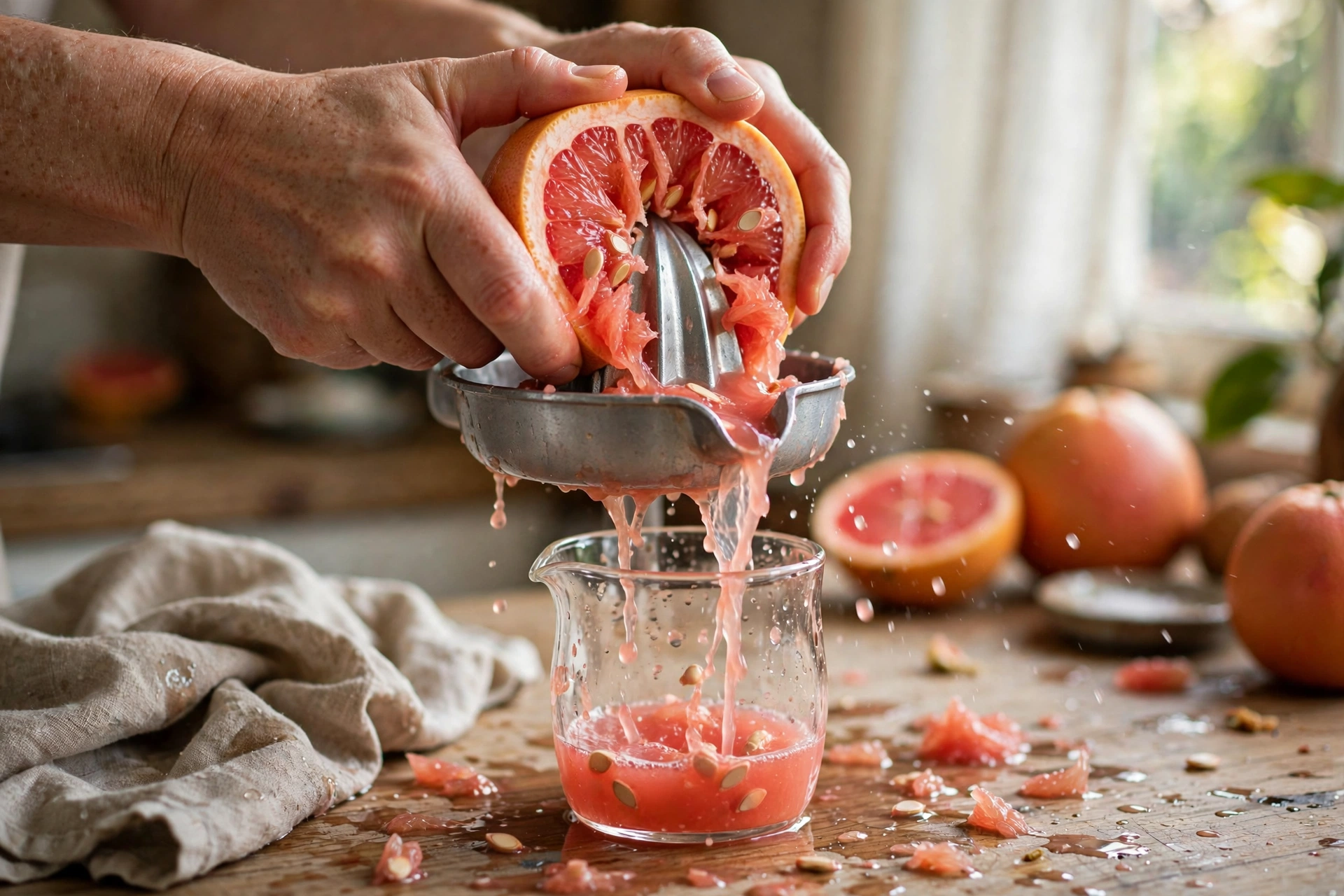
Fresh grapefruit juice (2 oz per drink) — Fresh-squeezed, always. Pink or ruby red grapefruit gives the prettiest color and the best sweet-tart balance; white grapefruit is more bitter (some people love that edge). Roll the grapefruit firmly on the counter before cutting to maximize juice. One medium grapefruit yields about 4–6 oz, enough for two drinks.
Fresh lime juice (½ oz per drink) — Half a lime, squeezed. Lime is the paloma’s secret weapon — it sharpens the grapefruit and ties everything together. Don’t skip it, and don’t use bottled. Bottled lime juice tastes flat and slightly cooked compared to fresh, and in a drink this simple, you’ll notice.
Agave syrup (½ oz, optional) — Grapefruit varies wildly in sweetness, so taste your juice first. If it’s tart, a little agave nectar rounds it out. If your grapefruit is sweet and ripe, skip it entirely — the best palomas need no added sugar. Honey syrup works as an alternative and adds a subtle floral note. To make agave syrup easier to mix, use a 1:1 dilution (equal parts agave nectar and warm water, stirred until combined).
Sparkling water or club soda (3 oz per drink) — The bubbles are essential — they lighten the drink and make it sparkle, literally and figuratively. Use something with aggressive carbonation. Mexican Topo Chico is the classic pairing and the traditional choice; any good club soda or sparkling mineral water works. Seltzer is fine too, though it has a slightly softer bubble.
Flaky salt for the rim — Kosher salt or flaky sea salt. The salt rim isn’t garnish — it’s structural, balancing the tart grapefruit the way salt balances caramel. For a twist, mix the salt with a pinch of Tajín or chili powder. Avoid fine table salt for rims; it dissolves too fast and over-salts.
Ice and garnish — Plenty of fresh ice (big cubes melt slower and dilute less). Garnish with a grapefruit wedge or a dehydrated grapefruit wheel if you’re feeling fancy. A lime wheel works too, and a sprig of rosemary or thyme adds aroma for the herbal variations.
Read Must: Easy Peach Cobbler Recipe (Juicy, Golden, Foolproof)
Equipment You’ll Need
A jigger for measuring, a handheld citrus juicer or reamer, and a tall highball or Collins glass. That’s genuinely it — no shaker, no strainer. If you’re making the pitcher version, you’ll want a large pitcher and a long spoon. A small plate for the salt rim and a sharp knife plus cutting board for the citrus round out the kit. If you make palomas often, a dedicated citrus press and a set of large-format ice cube trays are the two upgrades that pay for themselves fastest.
How to Make a Paloma (Step by Step)
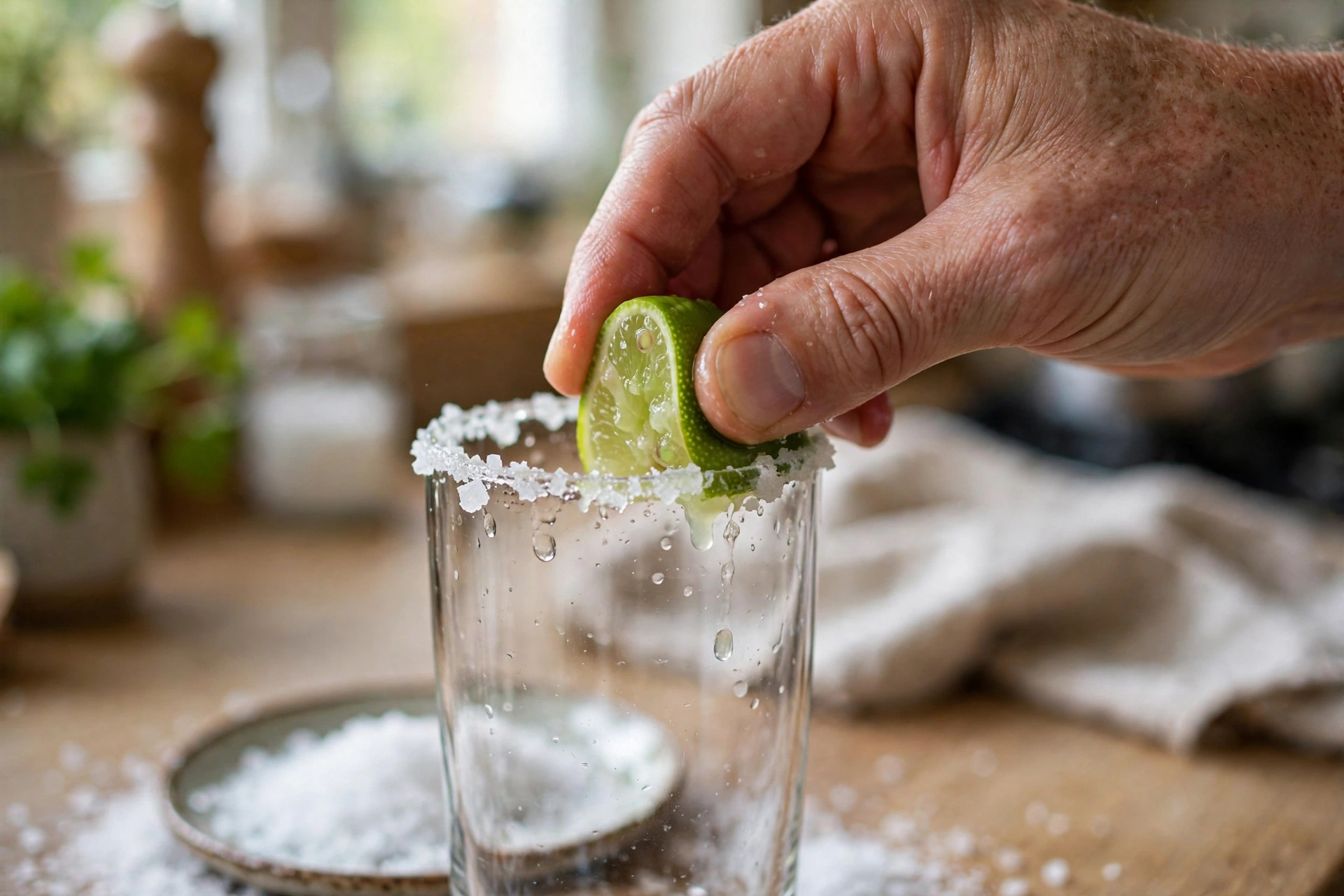
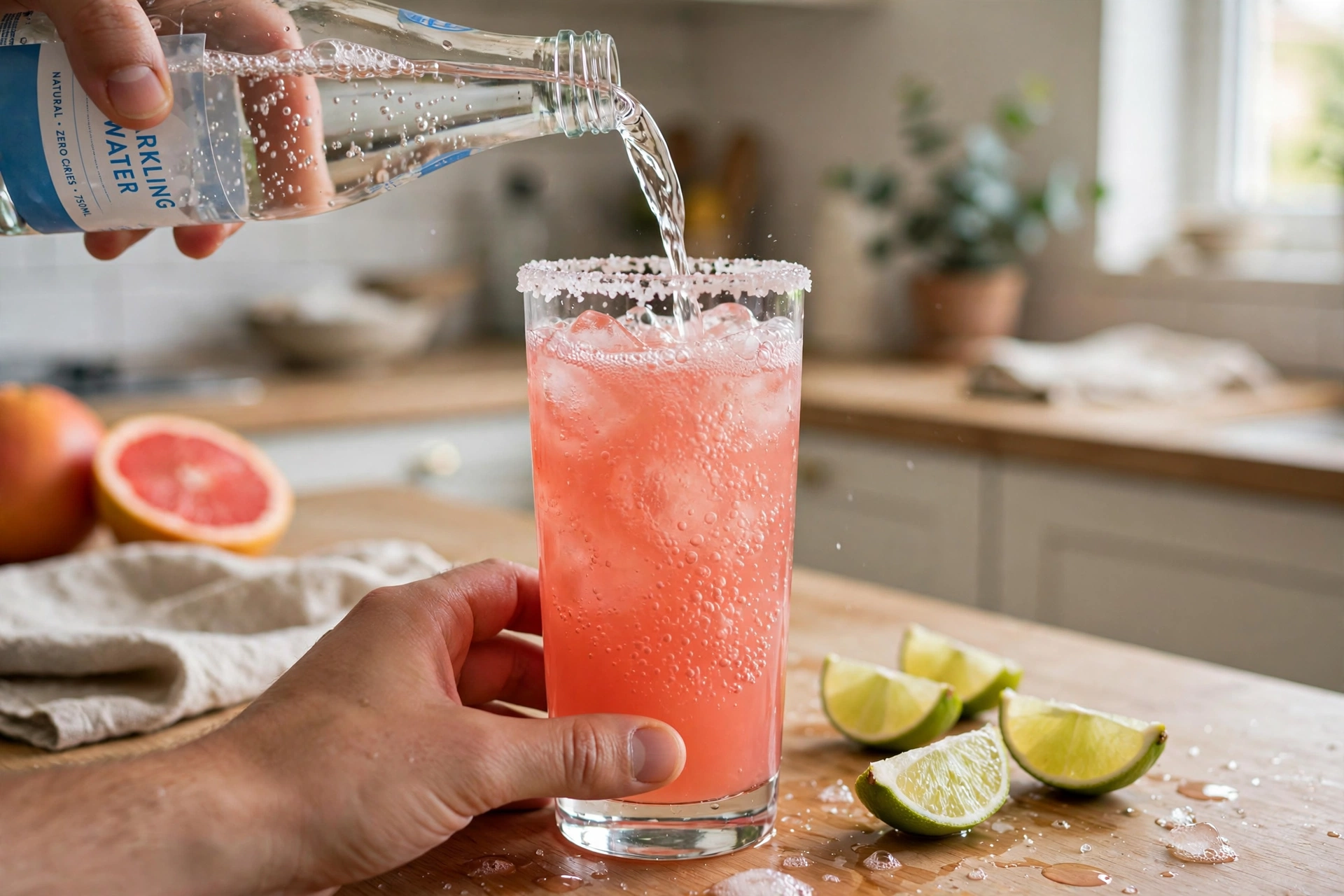
Step 1 — Salt the rim. Run a lime wedge around the outer rim of a tall glass (just the outside edge — you want salt on your lips, not falling into the drink). Dip the rim into a small plate of flaky salt, turning to coat evenly. Fill the glass completely with ice. Chilling the glass in the freezer for 10 minutes beforehand keeps everything colder longer.
Step 2 — Add the base. Pour in 2 oz blanco tequila, 2 oz fresh grapefruit juice, ½ oz fresh lime juice, and ½ oz agave syrup if using. Taste your grapefruit first (see tips below) so you know whether the agave is needed.
Step 3 — Stir briefly. Give it 3–4 gentle stirs with a bar spoon or straw to combine. You’re just marrying the ingredients, not aerating. This also starts the dilution working in your favor.
Step 4 — Top with bubbles. Pour 3 oz of sparkling water down the side of the glass (pouring down the side preserves the carbonation — pouring straight down the middle knocks the bubbles out). Give one final gentle stir, no more.
Step 5 — Garnish and serve. Tuck a grapefruit wedge onto the rim. Serve immediately, while it’s cold and fizzy. That’s it — five minutes to perfection.
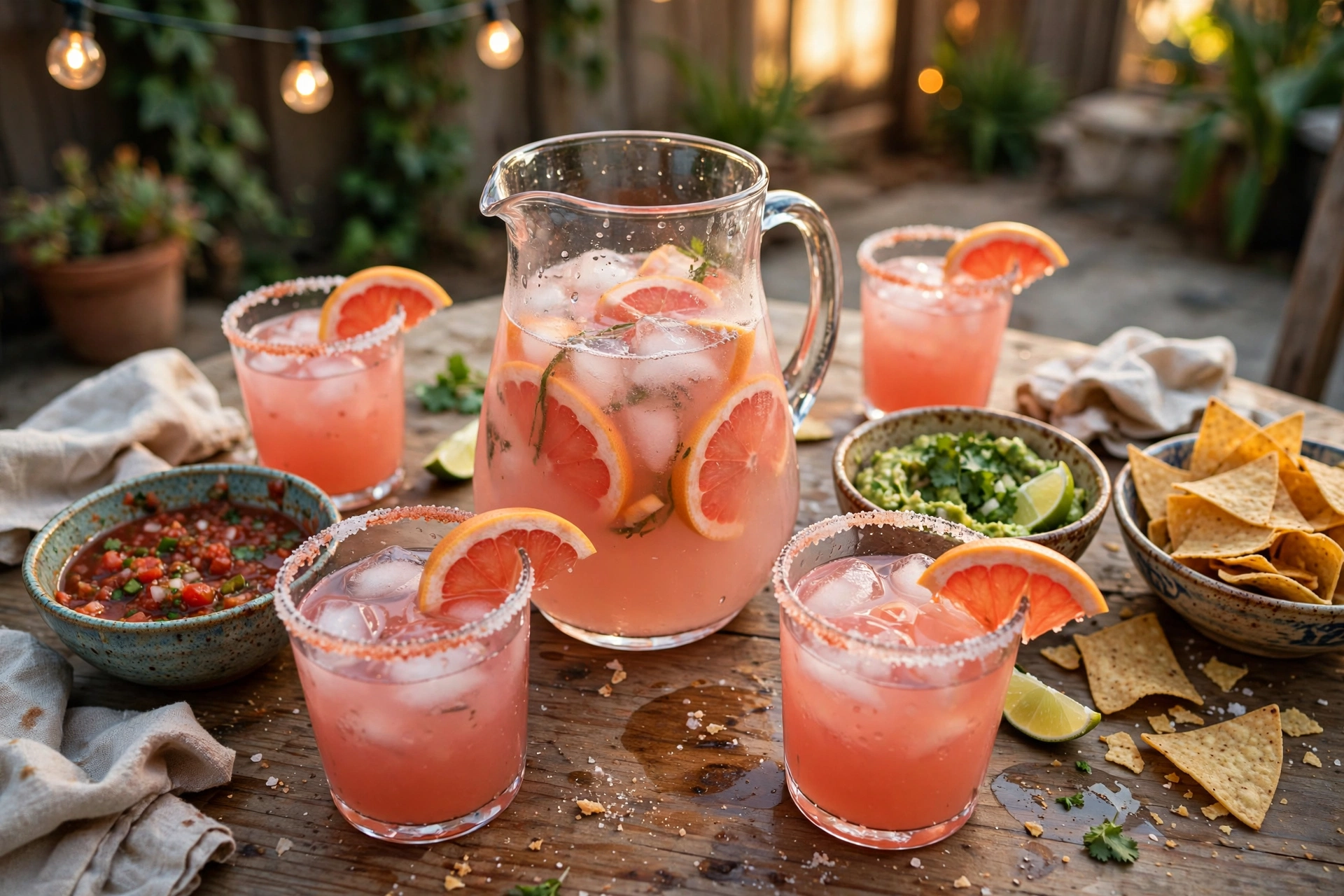
Pitcher version (serves 8): In a large pitcher, combine 2 cups blanco tequila, 2 cups fresh grapefruit juice, ½ cup lime juice, and ¼ cup agave syrup (adjust to taste). Stir and refrigerate up to 4 hours. When serving, fill salt-rimmed glasses with ice, pour the mix ⅔ full, and top each glass with sparkling water. Never add the soda to the pitcher — it goes flat within the hour.
My Best Tips for the Perfect Paloma Recipe
In this paloma recipe, fresh juice is the whole game. A paloma made with fresh grapefruit versus soda or bottled juice is a different drink entirely. Squeeze it yourself. It takes two minutes and the payoff is enormous — brighter flavor, better balance, and none of the cloying sweetness of commercial soda.
Salt only the outside of the rim. Run the lime on the outer edge so salt sticks where your lips touch, not inside the glass where it dissolves into the drink and over-salts it. Half-rims are also an option: salt only half the rim so drinkers can choose salted or unsalted sips.
Use big ice. Large cubes melt slower, so your drink stays cold without diluting. If you only have small cubes, just fill the glass completely full — more ice actually melts slower than a few lonely cubes because the cubes insulate each other.
Taste your grapefruit first. Grapefruits range from candy-sweet to mouth-puckering. Taste the juice and adjust the agave accordingly — or skip it. The recipe should serve your fruit, not the other way around. This single habit will improve your palomas more than any other.
Keep everything cold. Chill your glasses, use cold sparkling water, and serve immediately. A warm paloma is a sad paloma — the bubbles die faster, the ice melts faster, and the whole drink tastes duller.
Don’t over-stir after adding soda. One gentle stir. Every stir after that murders bubbles. Pour the soda down the side of the glass to begin with, and you’ll barely need to stir at all.
Measure, don’t eyeball. Cocktails are ratios, and the paloma’s charm is its balance. A jigger takes five seconds and guarantees the same great drink every time. Once you’ve made it measured a dozen times, you’ll know the pour by heart — but start precise.
Juice technique matters. Cut grapefruits in half crosswise and juice with a reamer, twisting firmly but not grinding into the pith. The white pith and membranes are where the harsh bitterness lives. If your juice tastes aggressively bitter, you’re pressing too hard — ease off and strain out any pulp and seeds.
Delicious Variations to Try
Once you’ve mastered this paloma recipe, the paloma becomes a template. The grapefruit-tequila-salt-bubbles framework is sturdy enough to carry all kinds of riffs. Here are the ten variations worth your time, each tested for balance — start with the classic ratios and adjust from there.
Spicy paloma: Muddle 2–3 slices of jalapeño in the glass before adding ice, or rim with Tajín instead of plain salt. The heat-grapefruit combination is electric — capsaicin and citrus are natural partners, and the salt tames both. For more control over the heat level, infuse your tequila: drop a sliced jalapeño (seeds removed for mild, kept for wild) into the bottle for 2–4 hours, then strain. Start tasting at 2 hours; it gets hot fast.
Mezcal paloma: Swap the blanco tequila for mezcal, keeping everything else the same. The smoke against the bright citrus is sophisticated and layered — the earthy, almost savory quality of mezcal finds a perfect foil in grapefruit’s bitterness. Use a joven (unaged) mezcal; anything aged will fight the citrus. This is the variation that converts cocktail skeptics.
Frozen paloma: Blend all ingredients except the soda with 2 cups of ice until slushy, then pour into glasses and top each with a splash of soda. On genuinely hot days, this is unbeatable. The blending aerates the drink, so add the soda at the very end and stir it in gently — or skip the soda entirely and let the slush carry it.
Blood orange paloma: When blood oranges are in season (roughly December through April), swap half the grapefruit juice for blood orange juice. The color is stunning — a deep sunset red — and the flavor is rounder and sweeter than straight grapefruit, so you can usually skip the agave. Garnish with a blood orange wheel.
Rosemary grapefruit paloma: Add a sprig of fresh rosemary as garnish and lightly smack it between your palms first to release the oils. Piney-herbal against tart citrus is wonderful, especially in fall and winter when grapefruit is at its peak. For a stronger herbal note, make a quick rosemary simple syrup (equal parts sugar and water simmered with 3–4 sprigs) and use it in place of the agave.
Virgin paloma (palomita): Skip the tequila, double the grapefruit juice, and add an extra squeeze of lime. Top with soda as usual. All the refreshment, none of the alcohol — genuinely delicious, not a consolation prize. For more complexity, add a splash of non-alcoholic agave spirit or a few drops of grapefruit bitters (note: most bitters contain trace alcohol).
Pomegranate paloma: Replace ½ oz of the grapefruit juice with pomegranate juice. The color deepens to a gorgeous ruby, and the pomegranate’s tannic edge plays beautifully with the tequila. This one shines at holiday parties — garnish with pomegranate arils and a rosemary sprig for a festive look.
Cucumber-mint paloma: Muddle 3–4 slices of cucumber and 5–6 mint leaves gently in the glass before adding ice. Strain-averse drinkers can double-strain, but most people don’t mind the flecks. This is the spa-day paloma — cooling, green, and incredibly refreshing. Keep the agave; cucumber needs the sweetness.
Aperol paloma: Add ½ oz of Aperol along with the tequila. The bitter-orange liqueur doubles down on the citrus-bitter theme and gives the drink a gorgeous sunset gradient. Reduce the agave slightly since Aperol brings its own sweetness. This bridges the paloma and the spritz worlds nicely.
Smoky-sweet grilled grapefruit paloma: Halve a grapefruit, sprinkle the cut sides with a teaspoon of sugar, and grill or broil cut-side down for 2–3 minutes until caramelized. Juice as usual. The caramelization adds depth and tames bitterness — this is the most “dinner party” version of the drink, and guests always ask what the secret is.
Read Also : Banana Nut Muffin Recipe: Bakery-Style, Moist and Fluffy in 40 Minutes
Storing & Make-Ahead
The base keeps beautifully. Mix the tequila, grapefruit juice, lime juice, and agave (everything except ice and soda) and refrigerate in a sealed container for up to 3 days. The flavors actually meld nicely — day-two paloma base is arguably better than fresh, as the citrus and agave fully integrate. Shake or stir the container before pouring since fresh juice separates.
Soda always goes in last. Never pre-mix sparkling water — it goes flat within the hour, and a flat paloma is just sweet grapefruit juice with regrets. Add it to each glass at serving time, always. This is the single most important rule of batching.
Fresh juice timing: Squeeze grapefruit the day you need it if possible; it keeps 2–3 days refrigerated in a sealed jar but loses brightness steadily. Give it a sniff before using — if it smells flat or fermented, squeeze fresh. Lime juice degrades even faster; squeeze limes the same day for best results, or within 24 hours.
Pre-salting glasses: You can salt-rim glasses up to a few hours ahead. Rim them, then store upright in the refrigerator — the cold helps the salt adhere. Don’t stack rimmed glasses. For parties, rim a whole tray at once and cover loosely with a clean towel.
Freezing citrus juice: When grapefruits are cheap and abundant, juice them in bulk and freeze in ice cube trays. Once frozen, transfer the cubes to freezer bags — they keep 3 months. Thaw what you need in the refrigerator overnight. The flavor is noticeably better than store-bought bottled juice and nearly as good as fresh.
The Cocktail Science: Why a Paloma Tastes Like That
A paloma looks almost too simple to be interesting — five ingredients, no shaking, no technique. But underneath that simplicity is a remarkably well-engineered drink. Understanding why it works makes you better at fixing it when it doesn’t, and better at riffing on it when you want to. Here’s what’s actually happening in the glass.
The four-way balance. Every great cocktail balances sweet, sour, bitter, and strong — and the paloma hits all four without a single liqueur. The grapefruit brings sour (citric acid) and bitter (naringin, a flavonoid concentrated in the pith and membranes). The agave brings sweet. The tequila brings strong — plus its own vegetal, peppery complexity. The salt rim adds a fifth dimension, savory, which rounds the whole thing out. When a paloma tastes “off,” it’s almost always one of these four out of proportion, which is why the troubleshooting section below is organized around them.
Salt doesn’t just add saltiness — it suppresses bitterness. This is the most important piece of paloma science. Sodium ions interfere with bitter taste receptors on the tongue, literally making the grapefruit taste less bitter and, by contrast, sweeter and fruitier. That’s why the salt rim is structural, not decorative: it’s performing flavor chemistry on every sip. The effect is strongest when the salt hits your tongue just before the liquid — which is exactly what a rim does. This is also why salting the rim works better than stirring salt into the drink; you want the sequential hit, not a uniformly salty beverage.
Carbonation is a flavor, not just a texture. Dissolved CO2 forms carbonic acid in the drink, which adds a pleasant sharp bite and enhances the perception of acidity. The bubbles also act as tiny aroma elevators — as they rise and pop at the surface, they carry volatile aroma compounds (the grapefruit’s citrus oils, the tequila’s agave notes) up to your nose. That’s why a paloma served flat tastes dull even when the ingredient ratios are identical: you’ve lost both the textural lift and a meaningful chunk of the aroma. Pour the soda down the side of the glass, not straight down the middle, because turbulent pouring knocks CO2 out of solution before it ever reaches your mouth.
Ice is an ingredient. In a built drink like the paloma, ice does two jobs: chilling and dilution. Cold suppresses the perception of sweetness and bitterness alike, which is why a warm paloma tastes both too sweet and too harsh. Dilution, meanwhile, is what transforms the raw ingredients into a finished cocktail — roughly ¾ to 1 oz of water melts into the drink over the first few minutes, softening the alcohol’s burn and opening up the citrus. This is why the recipe says to fill the glass completely with ice: more ice means slower, more controlled dilution and a longer window where the drink is at its best. A half-full glass of ice melts fast and waters the drink down before you’ve finished it.
Why fresh juice wins, chemically. Commercial grapefruit juice and soda are pasteurized — heated to kill microbes — and that heat destroys many of the delicate volatile compounds (limonene, pinene, and other terpenes) that make fresh grapefruit smell and taste vivid. Pasteurized juice also tends to be made from concentrate with added sweeteners, which flattens the sweet-tart-bitter complexity into one-dimensional sweetness. Fresh-squeezed juice keeps the full aromatic spectrum intact. You can taste the difference blind, every time: fresh juice is brighter, more bitter in a pleasant way, and finishes cleaner.
The lime’s hidden job. Grapefruit juice alone can taste round and slightly muddy. Lime juice — with its sharper, more aggressive acidity — acts like a squeeze of lemon on fish: it lifts and sharpens everything around it. The ½ oz in the recipe seems small, but remove it and the drink tastes flat and one-note even with perfect carbonation. If you ever scale the recipe up or down, keep the lime-to-grapefruit ratio constant; it’s doing more work than its volume suggests.
Tequila Guide: How to Choose the Right Bottle
The paloma is a simple drink, which means there’s nowhere for bad tequila to hide. But “good tequila” doesn’t mean expensive tequila — it means the right tequila. Here’s everything you need to know to buy with confidence.
Start with the only rule that matters: 100% agave. Tequila legally comes in two categories. “100% agave” tequila is distilled entirely from blue agave sugars. “Mixto” tequila can be as little as 51% agave, with the rest made up by other sugars — often cane — plus caramel coloring and flavorings. Mixtos are the reason tequila has a bad reputation: they’re harsh, headache-prone, and taste nothing like the real thing. The label will say “100% agave” or “100% de agave” clearly if it qualifies. If it just says “tequila” with no agave claim, it’s mixto — leave it on the shelf. This single check eliminates 90% of bad palomas.
Blanco vs. reposado vs. añejo. These are age classifications, and they taste meaningfully different. Blanco (also called silver or plata) is unaged or aged under two months — bright, peppery, vegetal, with the purest agave flavor. It’s the traditional paloma choice because its brightness matches the grapefruit instead of competing with it. Reposado (“rested”) spends 2–12 months in oak, picking up vanilla, caramel, and soft wood notes; it makes a rounder, slightly richer paloma that’s excellent in cooler months. Añejo (1–3 years in oak) is sipping tequila — too oaky and expensive for a citrus highball, where the barrel character gets lost. For palomas: blanco first, reposado as a worthy alternative, añejo never.
How tequila is actually made (the 60-second version). Blue agave hearts (piñas) are harvested after 6–8 years in the ground, roasted to convert starches to sugars, crushed to extract the juice, fermented, and distilled — usually twice. Blanco is bottled almost immediately; reposado and añejo rest in oak. The whole process is heavily regulated by Mexican law (the CRT, Consejo Regulador del Tequila), and authentic tequila carries a NOM number on the label identifying the distillery. Two bottles with the same NOM came from the same distillery — a useful trick when you find one you like.
What to buy at three price tiers. You don’t need to spend much. In the value tier ($20–30), look for Espolòn Blanco, Olmeca Altos Plata, or Pueblo Viejo — all 100% agave, all perfectly good in a paloma. In the mid tier ($30–45), Casamigos Blanco, Don Julio Blanco, and Herradura Blanco offer smoother sipping character that shows through nicely. Above $45 you’re paying for sipping finesse that a grapefruit cocktail won’t showcase — save those bottles for neat pours. The honest truth: in a blind paloma tasting, most people can’t tell a $25 blanco from a $50 one once the grapefruit and salt enter the picture. Spend the savings on better grapefruits.
Mezcal: the smoky cousin. Mezcal is tequila’s wilder relative — also agave-distilled, but the piñas are traditionally roasted in earthen pits, giving it a signature smokiness. A joven (unaged) mezcal in place of blanco makes a phenomenal paloma variation (see above). Start with a widely available bottle like Del Maguey Vida or Montelobos. One caution: mezcal’s smoke can overpower delicate variations like the cucumber-mint — keep it for the classic or spicy builds.
What to avoid. Beyond mixtos: skip anything in a novelty-shaped bottle, anything marketed primarily to shot-takers, and “gold” tequila (usually mixto with caramel coloring masquerading as aged). Also skip the freezer myth — good tequila doesn’t need to be ice-cold to be smooth; if a tequila only tastes good frozen, it’s not good tequila. Store opened bottles upright at room temperature; tequila doesn’t improve with age in the bottle, but it keeps for years once opened.
Read Also : Mummy Brownies : Easy Halloween Brownie Treats with Candy Eyes
Batching for Parties: The Paloma Bar Blueprint
The paloma is one of the best party cocktails in existence — cheap to scale, fast to serve, and universally liked. But batching a carbonated drink has rules. Follow this blueprint and you’ll serve fifty great palomas without breaking a sweat.
The golden rule: never batch the bubbles. Sparkling water goes flat within the hour once mixed, and a flat paloma is a failed paloma. The professional solution is a two-part system: batch the base (tequila + juices + agave), refrigerate it, and add soda to each glass at serving time. This is non-negotiable. Every other decision flows from it.
Batch math for any crowd size. The base ratio per drink is 2 oz tequila + 2 oz grapefruit juice + ½ oz lime juice + ½ oz agave (optional). Scale linearly: for 12 drinks, that’s 24 oz (3 cups) tequila, 24 oz grapefruit juice, 6 oz (¾ cup) lime juice, 6 oz agave. For 24 drinks, double it. A standard 750ml bottle of tequila holds about 25 oz — conveniently, one bottle makes roughly 12 palomas. Buy one bottle per dozen guests, plus one spare. For soda, plan one 1-liter bottle of Topo Chico or club soda per 8–10 drinks (3 oz per drink).
The timeline. Two days out: buy everything. One day out: juice the grapefruits and limes, mix the base, refrigerate in sealed pitchers or jars. Taste and adjust the agave — cold dulls sweetness slightly, so err a touch sweeter than you’d like. Day of, two hours before: rim the glasses (see below), chill the soda, set up the garnish station. At serving time: fill glasses with ice, pour base ⅔ full, top with soda, garnish. Each drink takes 30 seconds to assemble.
The paloma bar: let guests build their own. For casual parties, skip individual assembly and set up a self-serve station. You’ll need: the chilled base in pitchers, plenty of ice in a bucket, cold soda bottles, a tray of pre-rimmed glasses (plus plain ones), small bowls of salt and Tajín for re-rimming, grapefruit and lime wedges, jalapeño slices, and any variation add-ins (Aperol, pomegranate juice, herbs). Print a small card with the ratio (⅔ base, ⅓ soda) and let people go. It becomes a conversation piece, and you get to actually enjoy your own party.
Rimming glasses in bulk. Rimming 24 glasses to order is a bottleneck. Instead, rim them all ahead: run a lime wedge around each rim, dip in salt, and stand upright on a sheet pan. Refrigerate uncovered for up to 4 hours — the cold sets the salt. Transport carefully; don’t stack. For a crowd with mixed preferences, rim half the glasses and leave half plain.
Ice logistics. A party’s worth of palomas needs a shocking amount of ice — plan roughly 1 lb per 3–4 drinks. Buy bags the morning of and keep them in a cooler; refrigerator ice makers can’t keep up. Large cubes are ideal but unrealistic at scale — standard cubes are fine if glasses are full. Keep the ice in the cooler until the moment of serving; a melted ice bucket is the fastest way to ruin the timeline.
Garnish station essentials. Pre-cut grapefruit wedges and lime wheels (cut morning-of, refrigerated in sealed containers), jalapeño coins for the heat-seekers, fresh herb sprigs in a water glass, and a small bowl of flaky salt with a spoon for touch-up rims. Dehydrated citrus wheels, if you have them, look spectacular and keep indefinitely — make them ahead in a low oven (200°F for 2–3 hours).
Troubleshooting: When Your Paloma Misses the Mark
Even a five-ingredient drink can go wrong. The good news: every common paloma problem has a clear cause and a fast fix. Diagnose by taste, adjust, and you’re back in business.
Too bitter. The most common complaint, and it’s almost always the grapefruit. White grapefruits are significantly more bitter than pink or ruby red — switch varieties first. Next, check your juicing technique: pressing too hard extracts bitter compounds from the pith and membranes. Juice firmly but don’t grind. If the juice is already squeezed, balance the bitterness with more agave (¼ oz at a time) and make sure your salt rim is generous — salt directly suppresses bitter perception. A pinch of salt stirred into the drink itself (not just the rim) can rescue a bitter batch.
Too tart / mouth-puckering. Your grapefruit was underripe or just a tart specimen. Add agave syrup in ¼ oz increments, stirring and tasting between additions. A tiny pinch of salt in the drink rounds tartness too. For future rounds, taste every grapefruit before juicing and sort them: tart ones get more agave, sweet ones get none.
Too sweet / cloying. You overcorrected on the agave, or your grapefruit was already sweet. Add more lime juice (¼ oz at a time) — acidity cuts sweetness without adding volume. More soda also helps by diluting. And next time, remember the rule: taste the juice before adding any sweetener at all. Many ripe ruby reds need zero agave.
Flat / no fizz. Three possible culprits. One: you stirred too aggressively after adding soda — one gentle stir is the limit. Two: you added the soda too early and it sat; soda must go in last, seconds before serving. Three: your sparkling water was already flat — check the seal, use freshly opened bottles, and keep them cold (cold liquid holds CO2 better). Also pour the soda down the side of the glass rather than straight down the middle.
Tastes weak / watery. Usually an ice problem — too much dilution from small, fast-melting cubes, or the drink sat too long before serving. Use bigger ice, fill the glass completely, and serve immediately. It can also mean under-measuring the tequila: verify with a jigger rather than free-pouring. A weak paloma is also sometimes just an unbalanced one — if the grapefruit dominates, the tequila disappears; check your 1:1 tequila-to-grapefruit ratio.
Tastes harsh / boozy. The tequila is either low quality (mixto — check the label for “100% agave”) or the drink needs more dilution. Give it a good stir with the ice and wait 60 seconds; that initial harshness mellows as dilution kicks in. A touch more grapefruit juice also softens the alcohol edge. If every paloma tastes harsh regardless of recipe, upgrade the bottle — life’s too short for bad tequila.
Cloudy or pulpy. Fresh juice contains pulp and pectin that cloud the drink — this is normal and harmless, but if you want a cleaner look, strain the juice through a fine-mesh sieve before mixing. Double-straining (sieve plus cheesecloth) gives a crystal-clear result for presentation drinks. Don’t strain out all character, though — a little pulp is a sign of freshness.
Salt rim won’t stick / falls off. The rim was too dry or you used the wrong salt. Moisten with a fresh lime wedge (not water — lime’s stickiness helps), and use kosher or flaky salt rather than fine table salt, which dissolves on contact. Press the rim firmly and twist; don’t just dip. If rimming ahead for a party, refrigerate the glasses — cold helps the salt set.
The drink separates / looks layered. Agave syrup is denser than juice and sinks. This is cosmetic, not a flaw — but stir the base well before pouring, and give the glass its 3–4 gentle stirs before adding soda. Using 1:1 diluted agave syrup (agave + water) instead of straight nectar also helps it integrate.
Also Read : Simple Banana Bread Recipe (Moist, Tender & One Bowl)
What to Serve with Palomas
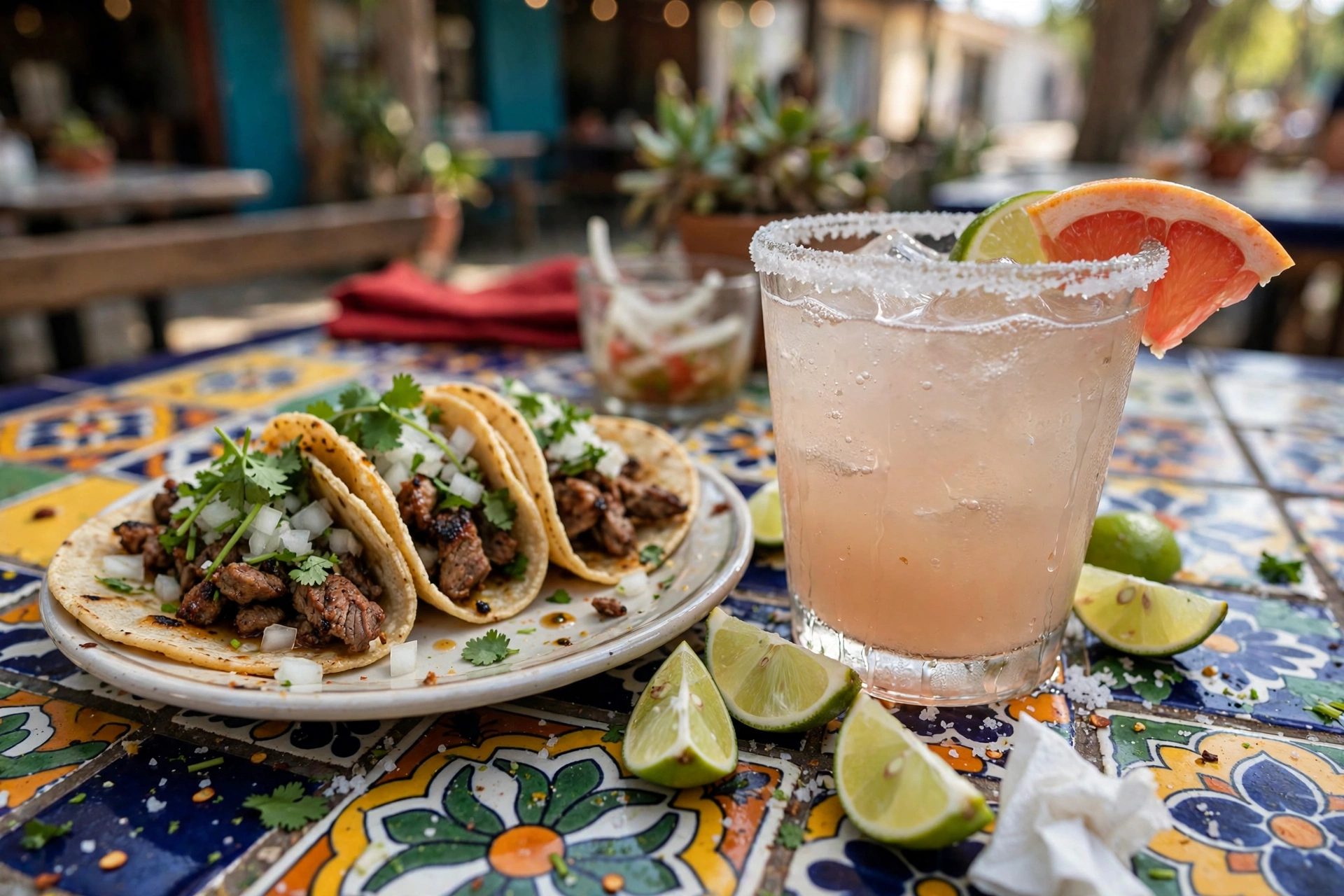
This is taco’s best friend — fish tacos, carnitas, al pastor, Baja shrimp tacos. The pairing logic is simple: the paloma’s acidity and carbonation cut through rich, fatty foods while its citrus echoes the lime already on the plate. Anything with chili heat benefits too — the cold, sweet-tart drink is the perfect foil for spice. It also sits beautifully next to a plate of my smoky chicken tinga.
Beyond tacos: chips and guacamole (obviously), ceviche, grilled shrimp, elote (Mexican street corn), and quesadillas. The drink also works beautifully with non-Mexican food — try it with Thai or Vietnamese dishes, where the lime-chili-fish sauce triangle mirrors the paloma’s own flavor architecture, or with simple grilled fish and a big salad on a hot day — and for a cooling bite, a bowl of tzatziki.
For a party, set up a paloma bar with the pitcher base, soda, salt and Tajín rims, and garnishes, and let people build their own (see the batching blueprint above). Put it next to a taco spread and you’ve got a Cinco de Mayo party, a summer cookout, or a Tuesday that feels like a vacation — no further planning required.
Final Thoughts
The paloma doesn’t try to impress you. There’s no flame, no smoke show, no seventeen ingredients. It’s just grapefruit, lime, tequila, salt, and bubbles in a tall glass — and somehow that’s everything.
In a world of overwrought cocktails, the paloma is confident enough to be simple. It tastes like late afternoons, like good company, like the moment you stop checking your phone and actually taste what’s in your hand. And now you know the science behind the balance, how to pick the tequila, how to batch it for twenty people, and how to fix it when something’s off.
Make this paloma recipe tonight. Salt the rim properly. Use the fresh grapefruit. Then make another — you’ve earned it. If tacos are on the menu, my chicken tinga tacos are the perfect match.
Please enjoy responsibly — and always with tacos nearby.
Classic Paloma Cocktail
Ingredients
Equipment
Method
- Batch for a crowd: Multiply the tequila, juices and agave in a pitcher (keep soda separate), then build individual glasses with ice and top with sparkling water.
- Salt the rim: Run a lime wedge around the outer rim of a tall highball glass, then dip the rim in flaky salt to coat.
- Add the base: Fill the glass with ice, then pour in the blanco tequila, fresh grapefruit juice, fresh lime juice, and agave syrup.
- Stir briefly: Give 3-4 gentle stirs with a bar spoon to combine the ingredients.
- Top with bubbles: Pour the sparkling water down the side of the glass to preserve carbonation, then give one gentle stir.
- Garnish and serve: Tuck a grapefruit wedge onto the rim and serve immediately while cold and fizzy.
What is a Paloma cocktail?
The Paloma is Mexico’s favourite tequila cocktail, made with blanco tequila, fresh grapefruit juice, lime juice, a touch of agave syrup, and sparkling water, served over ice in a salt-rimmed glass. It is light, refreshing, and ready in 5 minutes.
What’s the difference between a Paloma and a Margarita?
A Paloma is built in the glass with tequila, grapefruit juice, lime, and sparkling water — light and fizzy. A Margarita is shaken with tequila, lime juice, and orange liqueur — stronger and more intense. The Paloma is Mexico’s everyday favourite; the Margarita is the famous export.
What tequila is best for a Paloma?
Use a 100% agave blanco (silver) tequila — something you’d happily sip neat. The Paloma is simple, so there’s nowhere for harsh mixto tequila to hide. Good value options include Espolòn Blanco or Olmeca Altos Plata. Avoid reposado or añejo; oak ageing fights the fresh citrus.
Can I use grapefruit soda instead of fresh juice?
Yes — in fact, the original Mexican Paloma is often made with Squirt or Jarritos grapefruit soda. But fresh juice gives a brighter, less sweet result. If using soda, skip the agave syrup and reduce the sparkling water, since the soda provides both sweetness and fizz.
How do I salt the rim properly?
Run a lime wedge around the OUTER edge of the glass (not the inside), then dip the moistened rim in a shallow plate of flaky salt. The salt should stick where your lips touch. For extra hold, chill the rimmed glass for 5 minutes before building the drink.
Can I make a non-alcoholic Paloma?
Yes — the ‘palomita’. Skip the tequila, double the grapefruit juice to 4 oz, add an extra 1/2 oz lime juice, and top with sparkling water as usual. The salt rim and bittersweet grapefruit make it satisfying without alcohol.
How do I batch Palomas for a party?
Mix the base (tequila, grapefruit juice, lime juice, agave) in a pitcher — it keeps 24 hours refrigerated. Never batch the soda; it goes flat. When serving, pour the base over ice in salt-rimmed glasses and top each with 3 oz sparkling water.
What is Tajín and should I use it?
Tajín is a Mexican chili-lime-salt seasoning. As a rim alternative to plain salt, it adds a tangy, mildly spicy kick that pairs beautifully with grapefruit. Use it alone or mixed 50/50 with flaky salt. It’s optional but highly recommended.
Why does my Paloma taste too bitter?
Usually the grapefruit — white grapefruits are much more bitter than pink or ruby red. Switch to pink/ruby, make sure you’re salting the rim (salt suppresses bitterness), and add agave in 1/4 oz increments. Avoid pith when juicing.
Can I use mezcal instead of tequila?
Absolutely — a mezcal paloma is a fantastic variation. Keep everything else the same; the smoke plays beautifully against bright grapefruit. Use a joven (unaged) mezcal. Start with 1.5 oz mezcal (it’s stronger-flavoured than tequila) and adjust to taste.

Hi, I’m Angela. I cook the way busy people actually cook — simple, tasty food with ingredients you already have. On CookBookBite I share easy recipes, honest kitchen tips, and dishes my family asks for again and again.